
The Instrument, Not the Tool
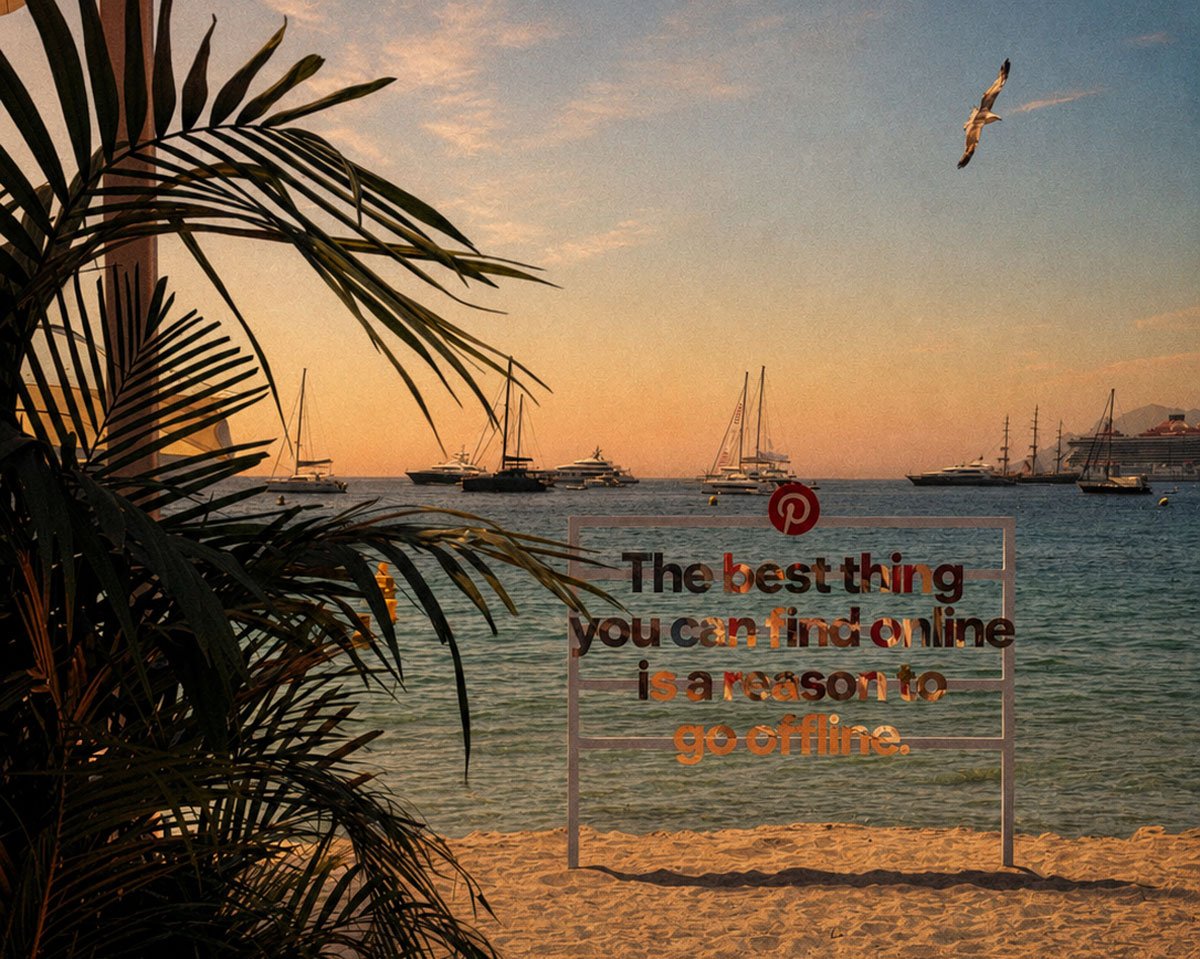
I spent last week at Cannes Lions, in a heat that made the whole festival feel slightly unreal. Almost every talk and panel orbited the same subject: AI, and the agentic future that is already here.
One line from a panel stuck with me longer than the rest. Creative leader Brian Carley said we need to stop thinking of AI as a tool and start thinking of it as an instrument. Everyone in that room now has access to the same instrument. Most will play it the way a beginner plays anything new, with care and not much range. A handful will take it apart entirely and compose something that earns its place in history.
AI can accelerate almost everything we already know how to do. What it cannot do is originate the ideas that come from a human life, imperfect, lived, and recognisable to other imperfect people. Most of the panels kept circling back to the same word without quite naming it: authenticity.
The instrument never makes the music original. The hands holding it do, and that is exactly where authenticity lives.
That word gets stretched thin in leadership circles, often shorthand for confidence or charisma. What holds up under real pressure is built over a longer stretch of time: a leader doing the internal work of knowing their own values well enough to tell which ones were actually chosen and which were simply inherited from a family or a room they were once trying to impress. It comes from noticing the beliefs that quietly limit what a person thinks they are allowed to want, and testing whether those beliefs are even still true.
Most of that work eventually runs into the same wall: the need for approval from people who weren't aligned with the leader's goals. Letting go of that need is not a single decision. It is closer to a habit rebuilt over years, one instance at a time, until a leader can walk into a room, say what they actually think, and let the room respond however it responds. What is left underneath, once the performing stops, tends to be closer to a person's actual worth and purpose than anything generated on a stage at Cannes. That is the part no instrument, however advanced, will ever be able to play.
I left Cannes thinking less about what AI will replace and more about who still has something only they could play.
