
Why Stopping Feels Dangerous
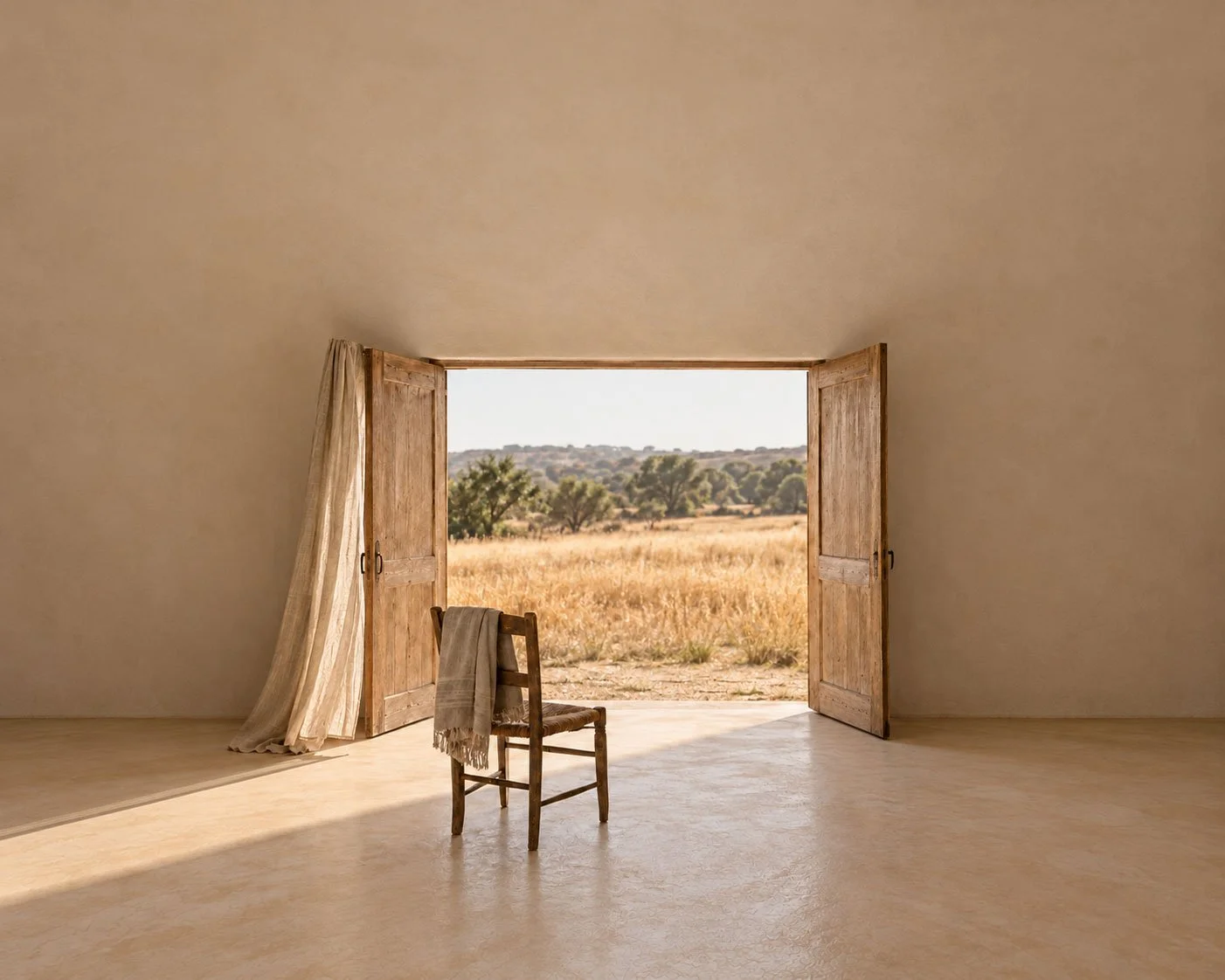
People who cannot stop often hold an early belief that stillness is not safe. That belief explains the anxiety of a free afternoon better than any schedule.
Give a driven person a free afternoon, and it is rarely restful. Within an hour, they are pulled toward the inbox or a task that’s been sitting undone, with a low-grade sense that things are moving without them.
Ambition has a direction, and this has none: it is a need to keep moving that looks like productivity and keeps them ahead of the unease that arrives when they stop.
I see this regularly in the leaders I work with. Some have not taken a real holiday in years, and some have partners who stopped suggesting weekends away because the answer was always some version of not yet. When something does create a pause in the work, they fill it so fast they could not tell you what rest feels like.
The pattern started long before any calendar or job. For most people who cannot stop, a part of them concluded early that staying still was not safe, and that who they are is only as secure as what they produce. That conclusion made sense when it formed, and in an adult life where the conditions are different, it still runs the day.
It shows in a body that cannot fully relax, and in a home where one person is always slightly elsewhere and the children absorb the message that rest has to be earned and that the earning never quite finishes.
If stopping makes you anxious, perhaps it’s time to truly ask yourself what could really happen if you gave yourself permission, for once.
